Learn the "Why" of Design

Learn the "Why" of Design

Want to learn the foundations of graphic design? Want to know how to create work that is both beautiful AND informational? Learn the foundations of design…aka “the Why of Design.”


Our founder, Steve Wilson, teaches design in an approachable way.

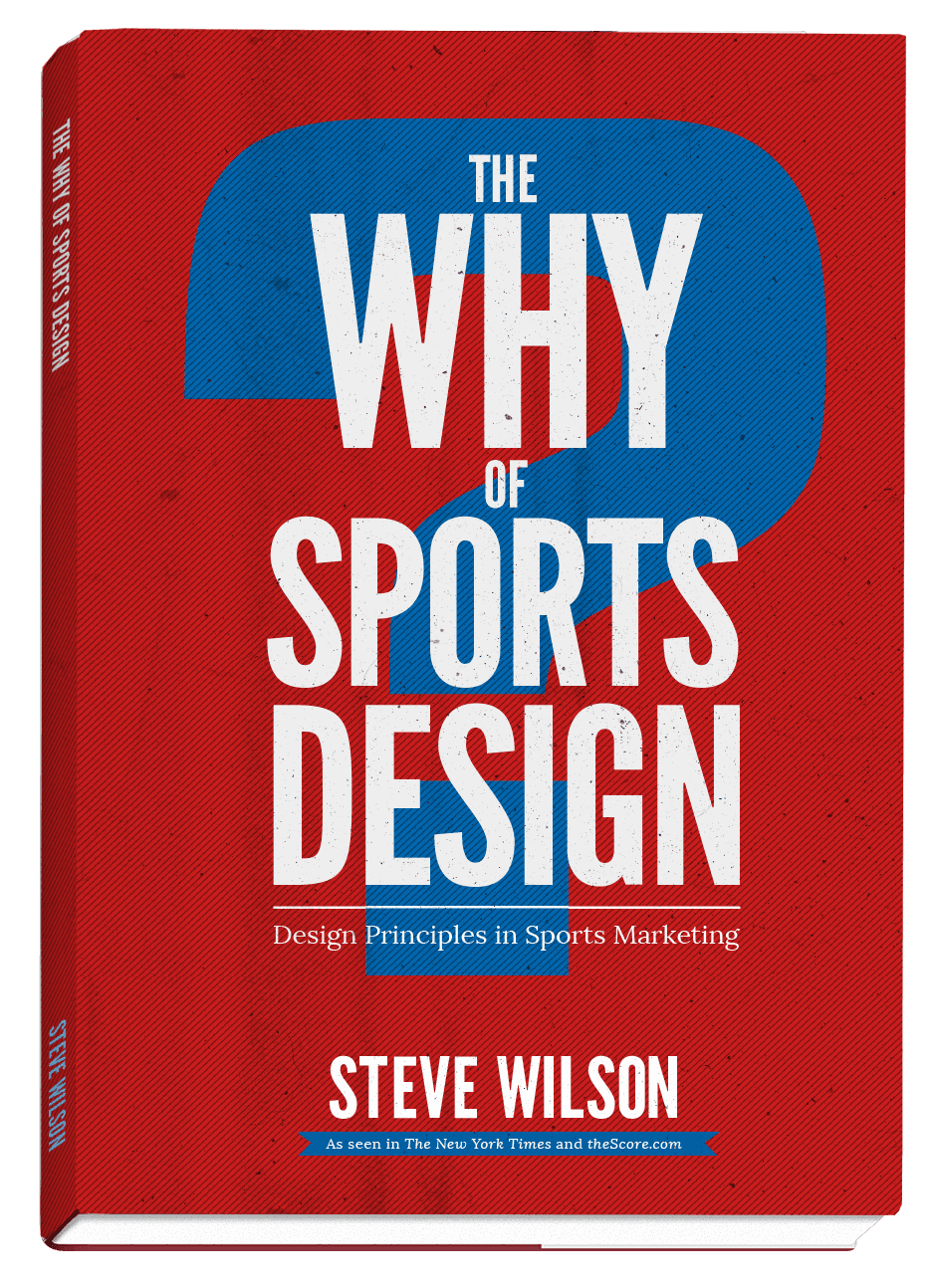
"The Why of Sports Design" is currently being used as a college textbook at multiple DI universities, and he has been an expert on design in The New York Times.

Want to learn the foundations of graphic design? Want to know how to create work that is both beautiful AND informational? Learn the foundations of design…aka “the Why of Design.”


Our founder, Steve Wilson, teaches design in an approachable way.

"The Why of Sports Design" is currently being used as a college textbook at multiple DI universities, and he has been an expert on design in The New York Times.

Read in more than 17 countries!

Read in more than 17 countries!

The Why of Sports Design

The Why of Sports Design

4.6/5.0 (35 reviews)

Design isn’t just pushing pixels around a screen. Properly trained designers are thinkers and problem solvers that can anticipate an audience’s needs and habits in any graphic. And with the average human attention span now at a quick 8 seconds, a designer must be able to inform and entertain an audience in a short amount of time. But, in order to effectively reach your audience, you must learn the “why” of design before you can master the “how.”

In the sports industry, design plays an important role in the success of any program. Yet, the gap between teams that value design and those that rely on staff with no formal design training is widening. This book offers tips, tricks and rules for those inexperienced designers, both in and out of the sports industry.

Design isn’t just pushing pixels around a screen. Properly trained designers are thinkers and problem solvers that can anticipate an audience’s needs and habits in any graphic. And with the average human attention span now at a quick 8 seconds, a designer must be able to inform and entertain an audience in a short amount of time. But, in order to effectively reach your audience, you must learn the “why” of design before you can master the “how.”

In the sports industry, design plays an important role in the success of any program. Yet, the gap between teams that value design and those that rely on staff with no formal design training is widening. This book offers tips, tricks and rules for those inexperienced designers, both in and out of the sports industry.

Testimonials

What Our Readers Say

Hear from several noted sports designers about "The Why of Sports Design."

"I absolutely loved it! Been in the business for quite sometime now, and I still found the book very informative and true to the core of sports design. Quick, great read!"

Tioni Taylor, Denver Broncos

"So much useful information that even the most experienced sports designers can learn from. Highly recommend to any designer trying to break into the industry!"

Garrett Little, Dude Perfect

"A practical and valuable tome on the fundamentals of what it takes to create for the most passionate brand loyalists on earth, sports fans. Steve covers the bases of sports design with clarity and precision."

Todd Radom, Sports Branding Expert

Perfect for small businesses

Perfect for small businesses

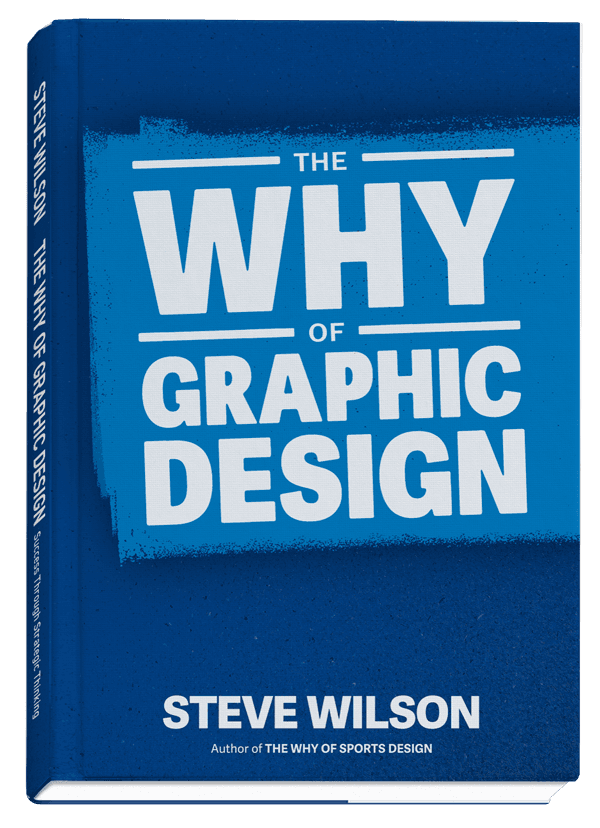
The Why of Graphic Design

The Why of Graphic Design

Designers aren’t just glorified pixel pushers. Design, like many other professional jobs, is a mix of experience and understanding a variety of concepts. Like an engineer or contractor knows where walls, columns etc. are to be placed to bear the weight of a building, designers know how to structure and display information to effectively inform and (often times) entertain the customer.

Designers aren’t just glorified pixel pushers. Design, like many other professional jobs, is a mix of experience and understanding a variety of concepts. Like an engineer or contractor knows where walls, columns etc. are to be placed to bear the weight of a building, designers know how to structure and display information to effectively inform and (often times) entertain the customer.